
Close Menu
    Facebook X (Twitter) Instagram
    Trending
    • Western Arctic Watch: Getting to Know the Arctic, One Place at a Time
    • 6 Types of Birds That Can’t Walk—and Why That’s Okay
    • It’s Time for “Give Where You Live”!
    • Stronger Together: Building Partnerships for a Resilient Platte River
    • Your Cat Is Quietly Missing Out on These 10 Things — And They’re So Easy to Fix
    • Cat Is Less Interested in Catching Prey Than Catching up on the Neighborhood’s Business
    • Cat Looks at Aquarium Fish With Such Wonder, You’d Think He’s Discovered a Whole New World
    • Meet the Cats That Greet You at the Door, Follow You From Room to Room, and Actually Like Being Held
    Pettoogle
    • Home
    • Shop
    • Cats
      • Cats
      • Cats Health
      • Kitten Health & Care
    • Dogs
      • Dogs
      • Dog Training
      • Dog Grooming
      • Dog Health
      • Dog Behavior
      • Dog Nutrition & Diet
      • Dog Breeds
    • Other Pets
      • Birds
      • Pets
    Pettoogle
    Home»Birds»Why Water Levels Matter for Marsh Birds
    Birds

    Why Water Levels Matter for Marsh Birds

    adminBy adminJune 20, 2026No Comments3 Mins Read
    Facebook Twitter Pinterest LinkedIn Tumblr Email
    Share
    Facebook Twitter LinkedIn Pinterest Email


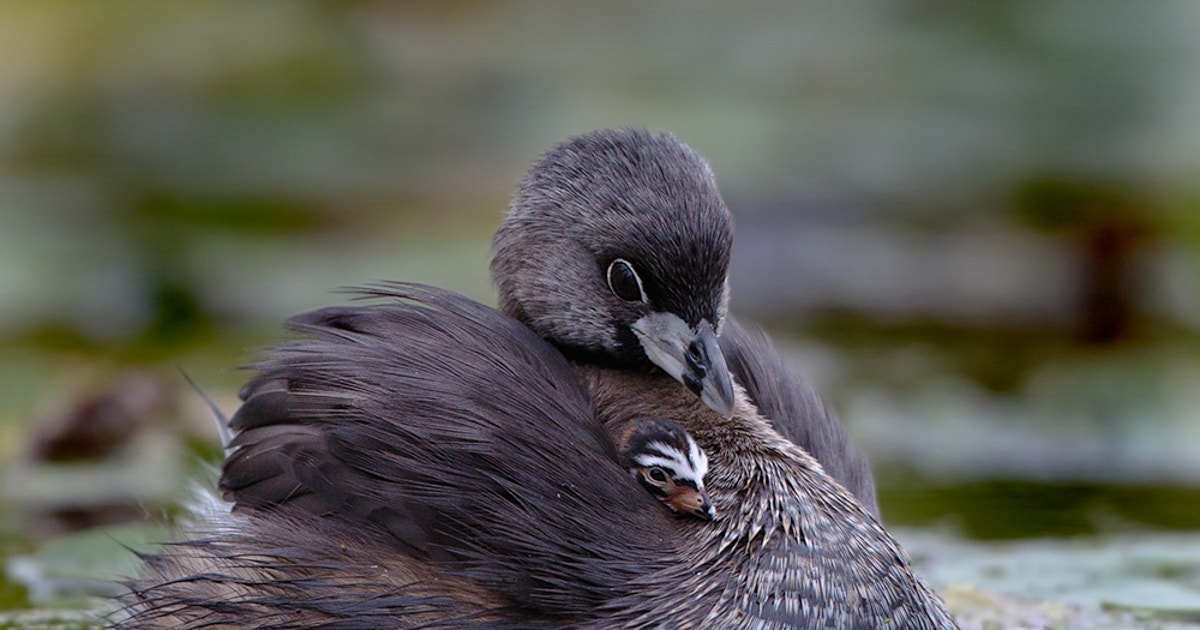
    Do you know that completely different species of marsh birds want completely different water ranges inside a wetland to thrive? Marsh Wrens, as an illustration, want crops that cluster collectively in shallow marshes to anchor their nests. American Bitterns want a mixture of open water and crops to cover and hunt. And Pied-billed Grebes want open water for diving and foraging.  

    As nice masters of disguise, secretive marsh birds are hardly ever seen as a consequence of their coloring and choice to remain hidden. Wetlands are their habitat of selection. However as greater than half of authentic wetlands have been misplaced throughout the Nice Lakes area, many marsh hen populations have skilled steep declines.  


    To handle these declines, we’ve recognized twelve nearshore areas of the Nice Lakes that want our assist probably the most, and we’re working inside them to revive the wetland habitat that birds want. This work takes a devoted crew of scientists, researchers and conservationists to know the distinctive wants of marsh birds and discover options that work for them. Assessing how excessive or low water is in a marsh and adjusting it to satisfy the wants of marsh birds is a vital a part of this work.  

    When water ranges drop, marsh birds tend to undergo. Low water ranges can shrink habitats, affect meals availability and create situations for invasive species to thrive. Unnaturally excessive water ranges additionally affect birds. Excessive water can wash away nests and kill native plants. 


    A wholesome marsh that helps completely different marsh species has three zones:  

    • Shallow Marsh: Shallow water with dense crops  
    • Hemi-marsh: A balanced mixture of open water and crops  
    • Deepwater marsh: Giant areas of deep, open water with some aquatic crops  

    On account of growth and fragmentation, many wetlands have misplaced their pure capability to fill and drain, and consequently water ranges are sometimes too excessive or too low. A altering local weather can be impacting water ranges. During the last decade, Nice Lakes water ranges have swung quickly. In 2014, water ranges in Lake Michigan have been close to historic lows. By 2020, water ranges reached an all-time excessive, and between 2021-2026, water ranges dropped once more as a consequence of “flash droughts” which have plagued areas inside the watershed.  


    We’ve recognized an answer. At websites throughout the Nice Lakes area, we’ve labored with companions to put in water management constructions. These cement box-like constructions function like a gate or dam. By including and eradicating boards, land managers can elevate or decrease water ranges to assist encourage native plant institution or assist in invasive species administration.  

    To evaluate water ranges inside wetlands, we place tall pole-like gadgets, referred to as water stage sensors, inside them. Every spring, our crew visits the sensors to drop the recording gadgets again into the water after thawing. We’re then capable of monitor water ranges all through the spring and summer season breeding season and the autumn and alter them as wanted.  


    In the Calumet area, considered one of our precedence areas, we’ve positioned water stage sensors at six websites in Chicago’s southeast facet the place we’ve achieved restoration work, together with Massive Marsh Park and Powderhorn Lake Forest Protect.    

    Understanding water ranges is crucial to serving to marsh birds thrive. By means of instruments like water management constructions, and water stage sensors, we are able to create wholesome marsh habitat to assist their populations rebound.  


    Source link

    Share. Facebook Twitter Pinterest LinkedIn Tumblr Email
    Previous ArticleShould You Spay or Neuter Your Dog? What the Science Actually Says – Dr. Dobias International
    Next Article Your Cat Has 11 Secret House Rules — And You’ve Probably Broken Half of Them
    admin
    • Website

    Related Posts

    Western Arctic Watch: Getting to Know the Arctic, One Place at a Time

    November 23, 2026

    6 Types of Birds That Can’t Walk—and Why That’s Okay

    November 23, 2026

    It’s Time for “Give Where You Live”!

    November 23, 2026
    Leave A Reply Cancel Reply

    Western Arctic Watch: Getting to Know the Arctic, One Place at a Time

    November 23, 2026

    6 Types of Birds That Can’t Walk—and Why That’s Okay

    November 23, 2026

    It’s Time for “Give Where You Live”!

    November 23, 2026

    Stronger Together: Building Partnerships for a Resilient Platte River

    November 23, 2026

    Your Cat Is Quietly Missing Out on These 10 Things — And They’re So Easy to Fix

    November 23, 2026

    Cat Is Less Interested in Catching Prey Than Catching up on the Neighborhood’s Business

    November 23, 2026

    Cat Looks at Aquarium Fish With Such Wonder, You’d Think He’s Discovered a Whole New World

    November 23, 2026

    Meet the Cats That Greet You at the Door, Follow You From Room to Room, and Actually Like Being Held

    November 22, 2026
    About us

    Welcome to PetToogle.com – Your Ultimate Source for Purr-fectly Paw-some Pet Care!

    At PetToogle.com, we believe in the magic of the human-animal bond and the joy that our furry, feathered, and four-legged companions bring to our lives. As passionate pet enthusiasts, we've created this platform to share our wealth of knowledge and insights on a wide range of topics dedicated to the well-being of your beloved pets, with a particular focus on our feline friends.

    Thank you for being part of our pet-loving community. Together, let's make every moment with our pets a happy and healthy one!

    PetToogle.com - Nurturing the Bond Between Pets and People.

    Popular Posts

    Western Arctic Watch: Getting to Know the Arctic, One Place at a Time

    November 23, 2026

    6 Types of Birds That Can’t Walk—and Why That’s Okay

    November 23, 2026

    It’s Time for “Give Where You Live”!

    November 23, 2026

    Stronger Together: Building Partnerships for a Resilient Platte River

    November 23, 2026

    Your Cat Is Quietly Missing Out on These 10 Things — And They’re So Easy to Fix

    November 23, 2026
    Categories
    • Birds
    • Cats
    • Cats Health
    • Dog Behavior
    • Dog Breeds
    • Dog Grooming
    • Dog Health
    • Dog Nutrition & Diet
    • Dog Training
    • Dogs
    • Kitten Health & Care
    • Pets
    Copyright © 2024 Pettoogle.com All Rights Reserved.
    • Privacy Policy
    • Disclaimer
    • Terms & Conditions
    • About us
    • Contact us

    Type above and press Enter to search. Press Esc to cancel.