

On October 27, 2026, Canada made a dedication to guard an extra three p.c of its marine and ocean areas by the top of 2027. It’s one in a sequence of announcements made as Madame Diana Fox Carney—Canada’s Ocean Envoy and Chair of the twelfth Our Ocean Convention—concludes her first go to to Nunavut.
Audubon welcomes these commitments and celebrates the pledge to finish no less than two new ocean conservation agreements that incorporate long-term financing methods just like the Mission Finance for Permanence (PFP). The Qikiqtani Inuit Affiliation (QIA) is among the world champions of marine conservation within the Arctic, and their involvement will probably be a vital part for long run success. Marine conservation initiatives in locations like Hudson and James Bay and alongside the coast of Newfoundland and Labrador may also be essential to attaining Canada’s dedication. With over 170,000 km2 in further Inuit-led and Indigenous-led marine protected areas, these efforts convey over 20 p.c of Canada’s ocean waters underneath safety, transferring the nation nearer to its aim of conserving 30 p.c of its lands and waters by 2030.
The Arctic’s marine environments embody a few of the world’s most ecologically vital habitats. They embody calving areas for narwhals and belugas, in addition to breeding grounds for billions of migratory birds. Lengthy-distance touring shorebirds just like the American Golden-Plover, Crimson-necked Phalaropes, and Semipalmated Sandpipers breed alongside Arctic shores in Canada and Alaska earlier than touring hundreds of miles to their nonbreeding grounds in South America, together with the coasts of Peru, Colombia, Argentina, and Brazil. Hen fans throughout southern Canada and the U.S. look ahead every winter to the arrival of Arctic breeding songbirds just like the Redpoll, Snow Bunting, and American Tree Sparrow in addition to the enduring Snowy Owl.
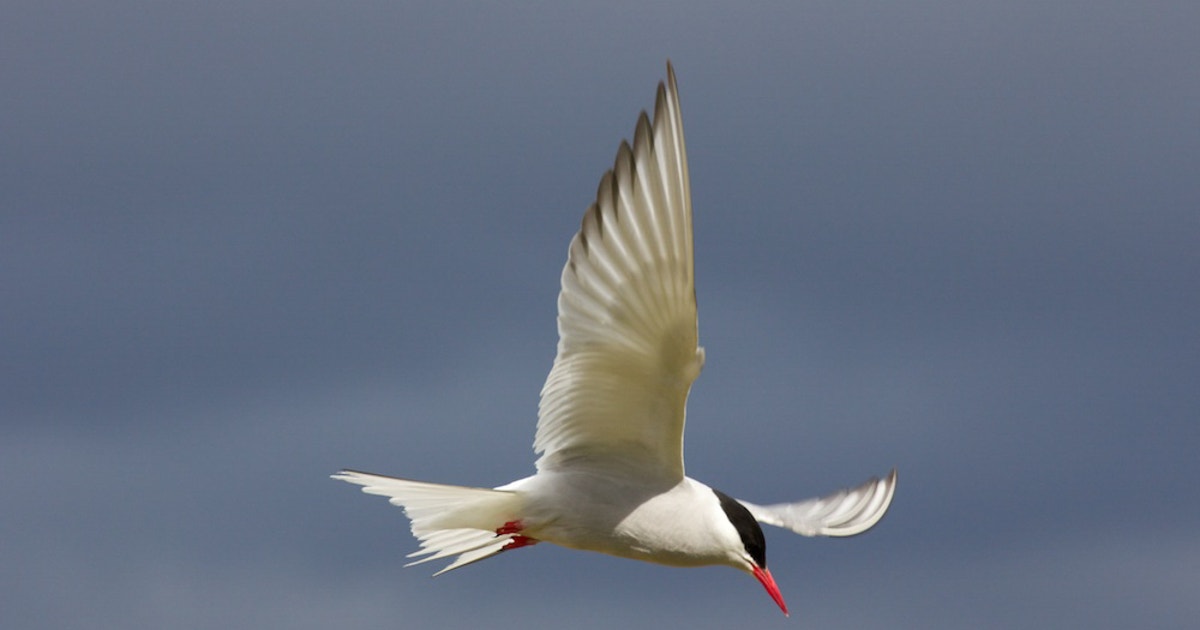
“The information out of the Arctic of Canada this week is thrilling! The Arctic hosts such a big selection of fantastic birds and different wildlife,” stated Dr. Jeff Wells, Vice President of Audubon’s Canada Program. “For instance, it helps migratory superstars just like the Arctic Tern that hint the world’s oceans from pole to pole of their epic journeys yearly. Investing in protections for the Arctic area of Canada is a globally vital determination that deserves world help.”
These exceptional journeys illustrate why defending Arctic marine and coastal habitats issues far past Canada’s borders. Safeguarding these ecosystems helps maintain chook populations and the interconnected habitats they depend upon all through the Western Hemisphere.
Audubon seems to be ahead to persevering with our help for Indigenous- and Inuit-led conservation efforts, together with the conservation efforts of the QIA and different organizations. As well as, Audubon seems to be ahead to partaking within the One Ocean and International Indigenous Summits, sharing our experience in hemispheric conservation technique. We applaud Madame Fox Carney’s management in exploring alternatives for collaboration and we welcome Canada’s dedication to advancing marine conservation, recognizing the significance of sustained funding and Indigenous management in defending the ocean ecosystems on which communities, birds, and wildlife rely.
