

On Monday, November 16, 2026, the Vermont Housing and Conservation Board (VHCB) and Company of Pure Sources (ANR) launched its draft Vermont Conservation Plan, representing the subsequent main milestone beneath Act 59. This plan outlines varied pathways towards the Act’s objectives of conserving biodiversity, sustaining ecological connectivity, supporting working lands, leisure lands, and constructing neighborhood and local weather resilience. It’s the results of a multi-year public course of created with the enter of almost 500 Vermonters throughout public conferences and stakeholder-led classes.
Act 59 was handed in 2023 and is absolutely titled the “Neighborhood Resilience and Biodiversity Safety Act”. In passing the regulation, the Vermont Legislature famous that “the well being of ecosystems on which people … rely [are] deteriorating extra quickly than ever, affecting the very foundations of economies”. To mitigate this concern, the Act creates nonbinding objectives for the state to preserve 30% of its whole land space by 2030 (“30×30”) and 50% by 2050 (“50 by 50”) by way of a mixture of conservation packages. These targets have been recognized by main conservationists across the globe as necessary thresholds for sustaining operate within the ecological techniques upon which all of us rely.
To realize these objectives, Act 59 requires a multi-stage planning course of headed by VHCB alongside ANR. Collectively, they launched the Part I stock and report in January 2025. One of many key findings was that roughly 27% of the state is at the moment conserved beneath classes established by Act 59 for the 30×30 framework. One of many key findings was that roughly 27% of the state is at the moment conserved beneath classes established by Act 59 for the 30×30 framework.
Part II builds upon this stock to supply a menu of choices and pathways to realize the broad objectives and imaginative and prescient of Act 59 by way of the Vermont Conservation Plan. The draft plan persistently sounds necessary themes:
- Conservation is voluntary and relies upon upon landowners and communities
- The standard of conserved land issues as a lot because the acreage
- Various methods are wanted resembling conservation easements and extra intermediate choices like enrollment within the Present Use Program
The plan additionally identifies areas the place extra work is required, resembling selling equitable conservation outcomes, and figuring out funding alternatives to advance neighborhood pushed conservation. Taken collectively, the plan represents a blueprint to safeguard our state’s human and ecological communities for generations to come back.
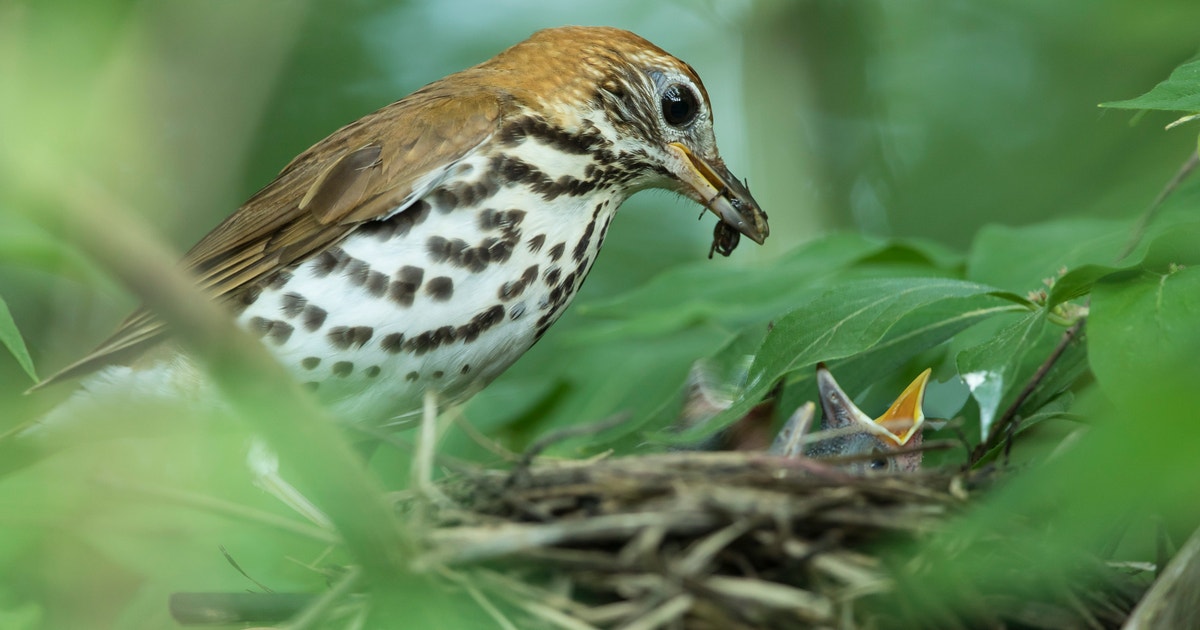
Working proactively with landowners to preserve land and habitat is among the most necessary ways in which we may also help shield birds and reverse biodiversity loss. There will be no restoration of treasured and declining species just like the Wooden Thrush with out serving to landowners steward habitat right here in Vermont, and throughout the hemisphere.
Finally, the success of this Plan will depend on the continued involvement of Vermonters across the state.
